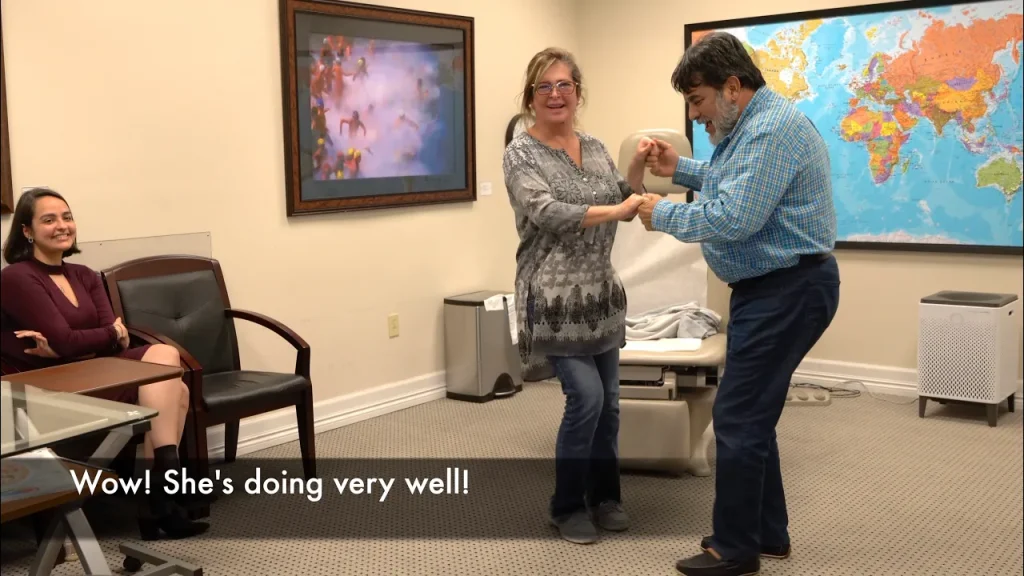
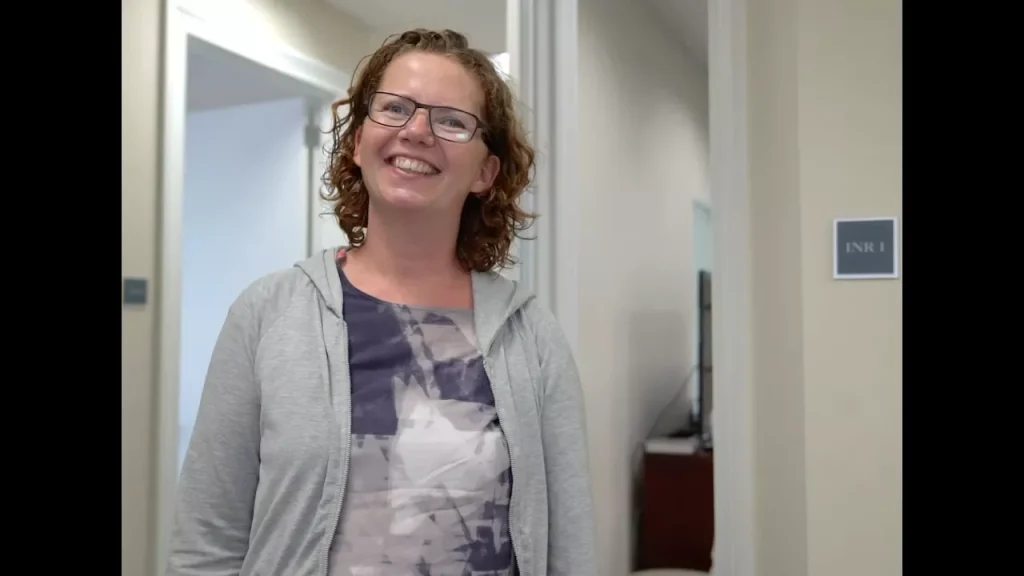
Patient from Cali, Columbia able to salsa within minutes after perispinal etanercept treatment by Dr. Tobinick. Multiple additional neurological improvements
Husband discusses wife’s improvement after treatment at the INR in Boca Raton, Florida, in December of 2017. Request a consultation
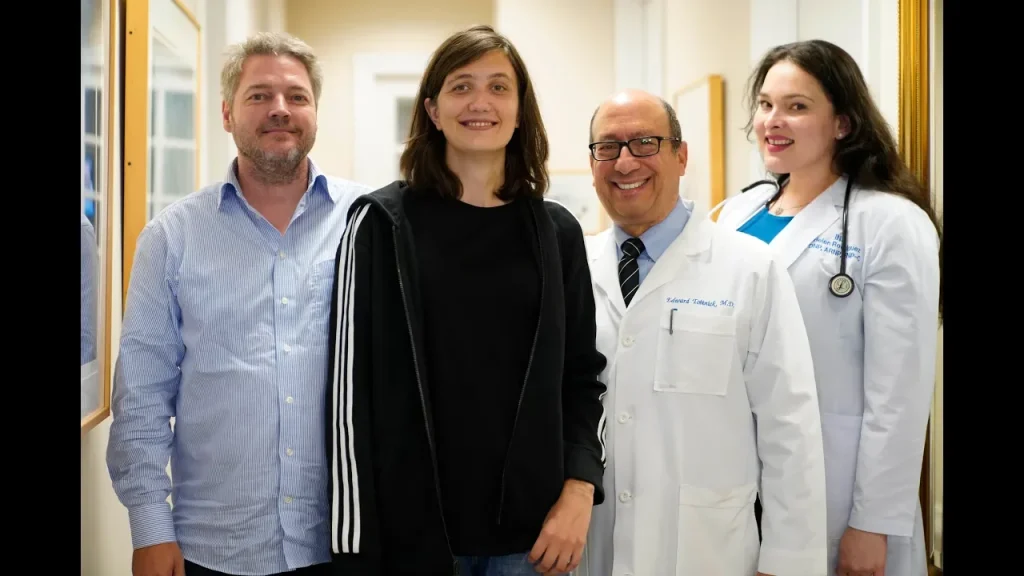
Treatment at the Institute of Neurological Recovery in Boca Raton, Florida, March 6, 2018, twenty two months after stroke. Immediate
Patient and father, from Iceland, discusses improvements 2 years after stroke. The stroke happened at age 17. Improvements discussed include:
She has written an update on her progress! See it here! Request a consultation today
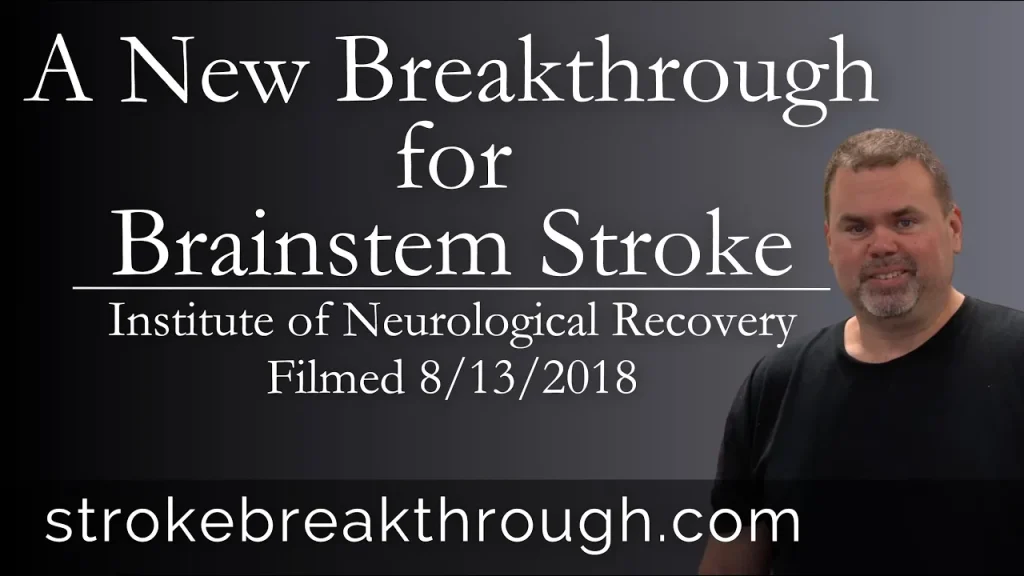
Immediate neurological recovery after treatment at the INR Boca Raton, August 13, 2018, two years after a brainstem stroke. Improvements
Improvement in chronic intractable post-stroke sensory dysfunction in a 24 y.o. Danish woman, 5 years after stroke, within minutes after
From Iceland, A Message of Hope. Perispinal Etanercept Treatment by Edward Tobinick M.D. at the INR Boca Raton enables return
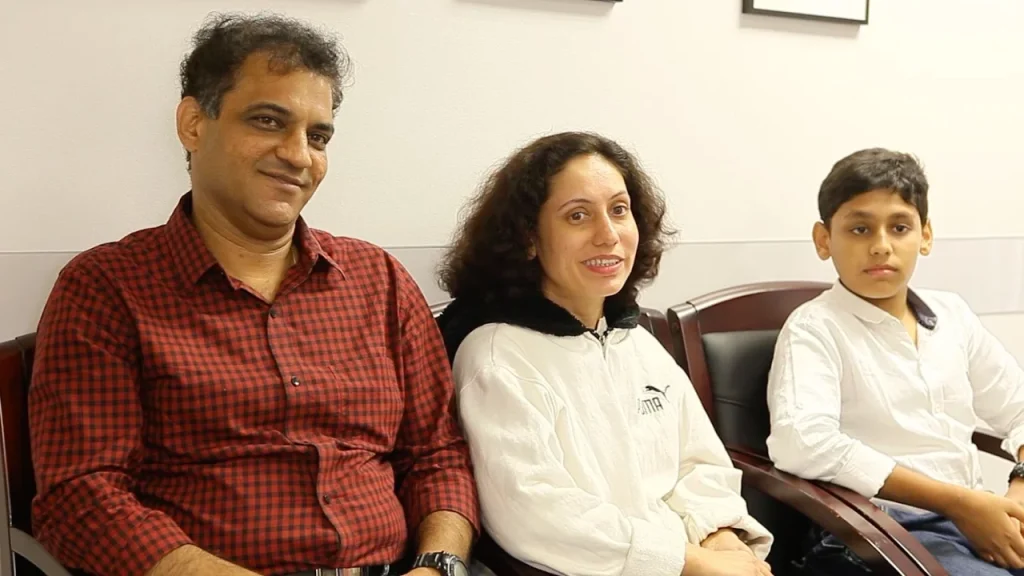
Family from Mumbai, India on their second visit to the INR, in May 2017. First visit and treatment at the
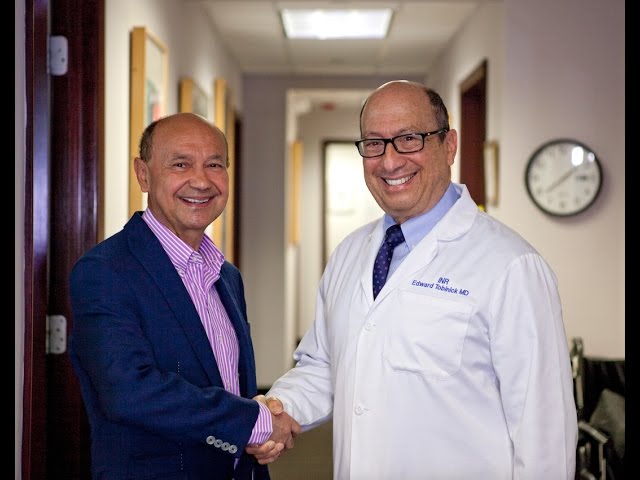
Toni’s long-time personal assistant describes his rapid improvement after stroke treatment in Boca Raton, Florida.
Perispinal etanercept is a method of targeting detrimental neuroinflammation using etanercept, a special anti-inflammatory drug, delivered utilizing a novel, non-invasive injection method.
Perispinal etanercept is NOT experimental. Perispinal etanercept has been used to treat more than 5,000 chronic stroke patients since 2010 at the Institute of Neurological Recovery.
No, it is not too late. Neuroinflammation can last for years, or even decades, after brain injury. Life-changing neurological improvements following perispinal etanercept treatment performed weeks, months, years, or even decades after stroke or brain injury are not uncommon.
Referrals are not required. The Institute of Neurological Recovery has received, and welcomes, referrals from neurologists, speech pathologists, physical therapists, occupational therapists, primary care physicians, online stroke groups, and, of course, patients and their family members.